
Wool Sweater Manufacturer Selection: A 2025 Sourcing Guide for B2B Buyers
A practical guide for B2B buyers evaluating wool sweater manufacturers, covering capability checks, material and construction verification, sampling, and capacity planning.
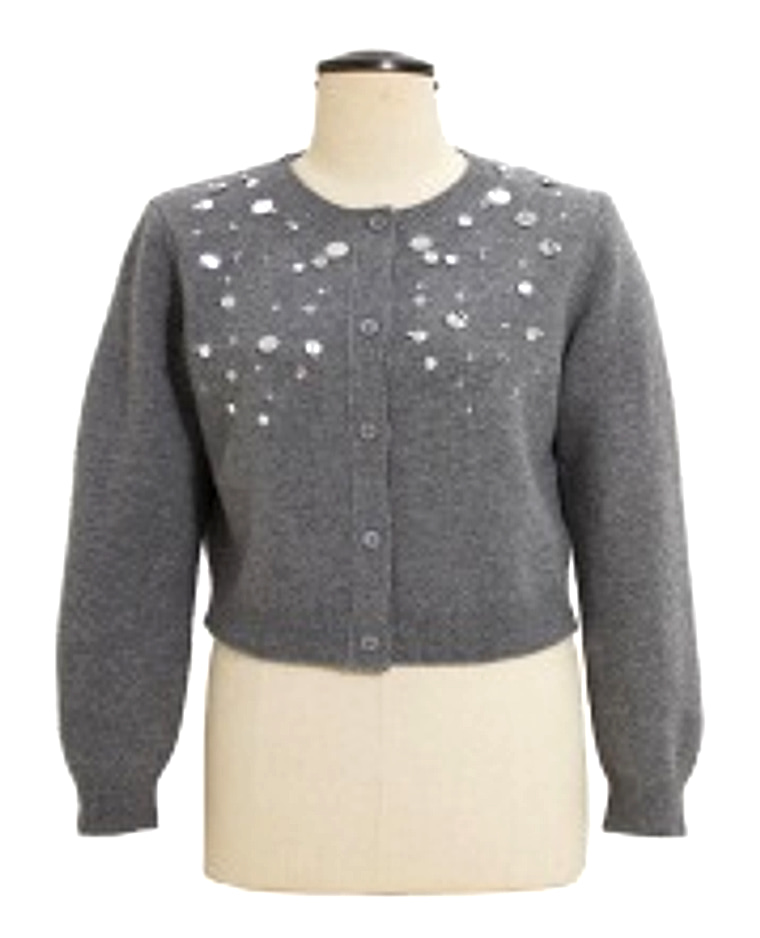
What B2B buyers should verify before choosing a wool sweater manufacturer
A wool sweater manufacturer is a production partner that turns a design brief into knitted garments at commercial scale. The decision is not just about price per piece. It is about whether the factory can hold the specified yarn, stitch, fit, color, and finish across a production run, and whether its sampling and communication process gives you enough control to catch problems before bulk production.
This guide sets out a verification sequence for buyers sourcing wool sweaters and related knitwear. It also covers how to assess a manufacturer that also produces goose down outerwear, which matters if you want to consolidate seasonal programs with one supplier.
Start with the product brief, not the factory list
Most sourcing problems begin with an incomplete brief. Before you compare manufacturers, define the garment in terms a factory can quote and sample against. At minimum, specify:
- Yarn and fiber content: wool type, blend ratio, yarn count or gauge, and any required certification or traceability documentation.
- Construction: knit structure (jersey, rib, cable, intarsia), panel shapes, seam type, and trims.
- Fit and measurements: size grading rules, tolerance ranges, and points of measure.
- Color and finish: color standard, dye method, and any washing or brushing effect.
- Labels and packing: care labels, brand labels, hangtags, polybag or carton requirements.
A manufacturer that asks detailed questions about these points is usually better prepared than one that quotes immediately from a photo. The brief also becomes the basis for your sample approval and final inspection criteria.
Capability checks that separate trading companies from production partners
Wool sweater production requires knitting, linking or sewing, washing, pressing, and finishing. A manufacturer may own some stages and subcontract others. Ask which stages are in-house and which are outsourced, then verify the answers during a factory visit or video audit.
Equipment and gauge range
Confirm the knitting gauges available and the range of yarn counts the factory handles routinely. A factory set up for fine-gauge merino may not be the best choice for chunky cable knits, and vice versa. Ask for the machine list by gauge and the number of machines available for your order size.
Capacity and seasonality
Capacity figures should be broken down by product type and month. A monthly capacity figure for the whole factory does not tell you how much wool sweater capacity is free in your delivery window. Ask for a capacity allocation by month and confirm how peak season for down outerwear might compete with knitwear lines.
For reference, Zhejiang Suxing Knitting Co., Ltd. states a 100 mu manufacturing base with 7 workshops and 60 production lines, and monthly production capacity up to 400,000 pieces. Buyers should still request a capacity plan specific to their order and season.
Sampling and communication
Ask how long a development sample takes, who approves it, and how comments are tracked. Export-focused programs need a factory that can communicate in your working language and provide photo or video updates at agreed milestones. Clarify the sampling fee, whether it is credited against bulk, and how many revision rounds are included.
Material and construction verification for wool sweaters
Wool quality affects hand feel, pilling, shrinkage, and color consistency. Verify the yarn specification before sampling and again before bulk production.
| Check | What to ask for | Why it matters |
|---|---|---|
| Fiber content | Yarn supplier specification and fiber composition | Affects cost, care instructions, and labeling compliance |
| Yarn lot consistency | Lot numbers and color approval records | Reduces shade variation between panels and sizes |
| Knit structure | Gauge, stitch density, and panel dimensions | Determines fit, stretch, and appearance retention |
| Finishing | Washing, pressing, and relaxation method | Controls shrinkage and hand feel |
| Trims | Bead, button, or zipper specifications and attachment method | Prevents safety and durability issues |
For embellished styles, such as a beaded crewneck wool sweater, ask for the bead specification, attachment method, and a wash test result. Small components can create compliance risk in some markets, so confirm the destination market's requirements with your compliance team.
Construction checks should include seam strength, neckline recovery, and symmetry after washing. Approve a sealed sample and keep it as the reference for bulk inspection.
How to evaluate a manufacturer that also makes goose down outerwear
Some knitwear manufacturers also produce goose down outerwear. This can simplify sourcing if you want one partner for a seasonal collection, but it introduces different material and process risks. Down garments depend on fill power, down-proof fabric, baffle construction, and cleanliness standards, which are separate from knitwear expertise.
If you are considering a combined program, ask for evidence of down-specific controls: fill material specification, fabric down-proof testing, and seam sealing or stitching methods. Zhejiang Suxing Knitting Co., Ltd. lists a full-length goose down coat (model JM53141) made with 95% white goose down among its products. Buyers should request current test reports and confirm the fill specification for their own order rather than relying on a catalog description.
A combined supplier can be efficient, but only if both product lines have their own quality checkpoints. Do not assume knitwear process discipline transfers automatically to down outerwear.
Cost, lead time, and risk: what to clarify before signing
Quotes are only comparable when they cover the same scope. Ask each manufacturer to quote against the same brief and to separate material, labor, sampling, testing, and packing costs. Clarify Incoterms, payment terms, and currency.
Lead time should be broken into sampling, material procurement, production, and shipping. Wool yarn may need to be ordered in specific lots, so confirm whether the quoted lead time assumes stock yarn or includes yarn lead time. Ask what happens if a yarn lot fails color approval.
Risk controls to agree in writing:
- Approved sample and measurement sheet signed by both parties.
- Inspection stages: during production, pre-shipment, and container loading if applicable.
- Acceptable quality limits and defect classification.
- Change control for materials, subcontractors, and production sites.
- Documentation for claims and returns.
A practical sourcing sequence
- Write the product brief and measurement sheet.
- Shortlist manufacturers based on product category, gauge range, and capacity window.
- Request quotes against the same brief and ask for capacity allocation by month.
- Order development samples and evaluate workmanship, fit, and communication.
- Verify material specifications and test reports.
- Conduct a factory audit or video walk-through.
- Place a pilot order before scaling to seasonal volume.
This sequence costs more time upfront but reduces the risk of a bulk order that fails on fit, color, or delivery. For buyers new to a manufacturer, a pilot order is the most reliable test of whether the factory can repeat a sample in production.